Ancient Hawaiian Agricultural Practices at Sacred Sites in North Kohala
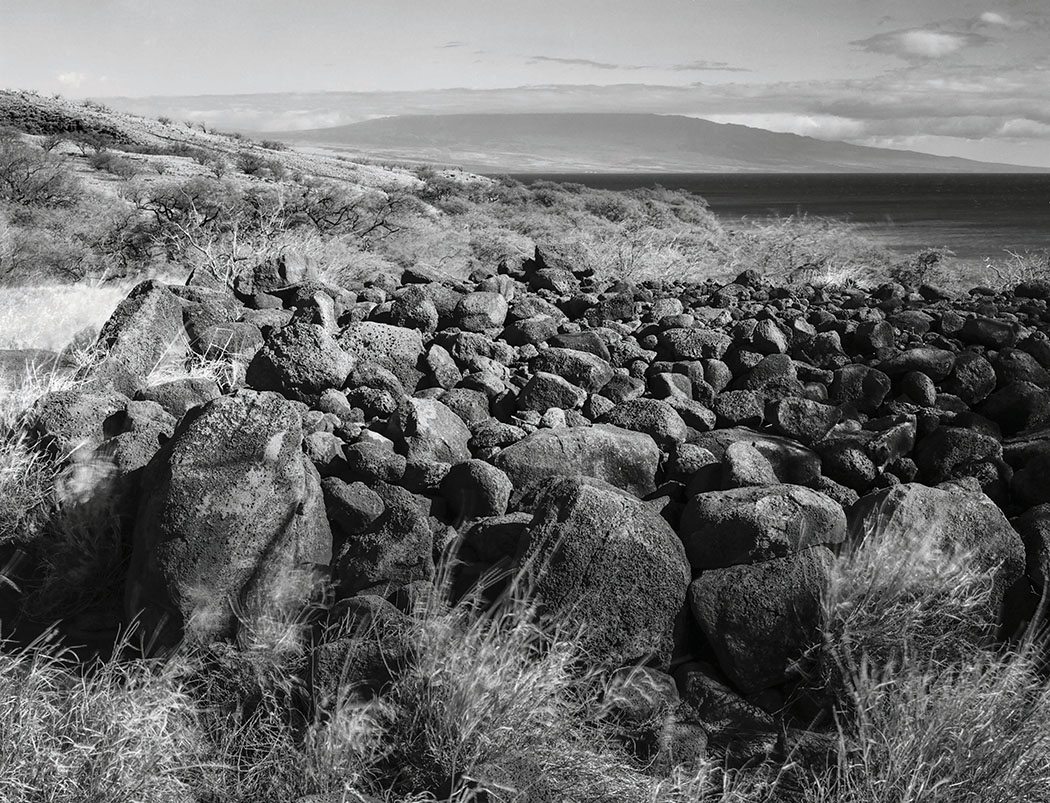
By Jan Becket Archaeological surveys in Hawai‘i yield valuable knowledge about the traditional life of a place, and yet it is often knowledge that is inaccessible to the community where the surveys are conducted. Many contracts call for reports to…
World Wide Voyage–Threads That Tie: The Hōkūle‘a Crew Connecting Hawaiian Culture to the World
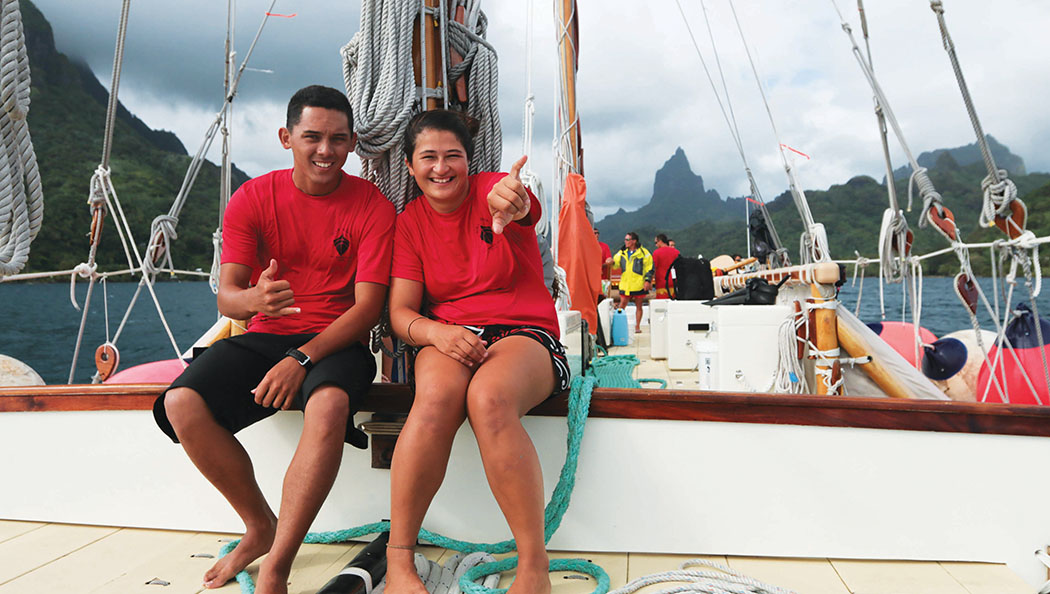
By Le‘a Gleason Hawai‘i is a place where we navigate community and culture, finding a delicate balance between reverence for the past and enthusiasm for the future. It’s with this same careful attention to culture that we watch from afar…
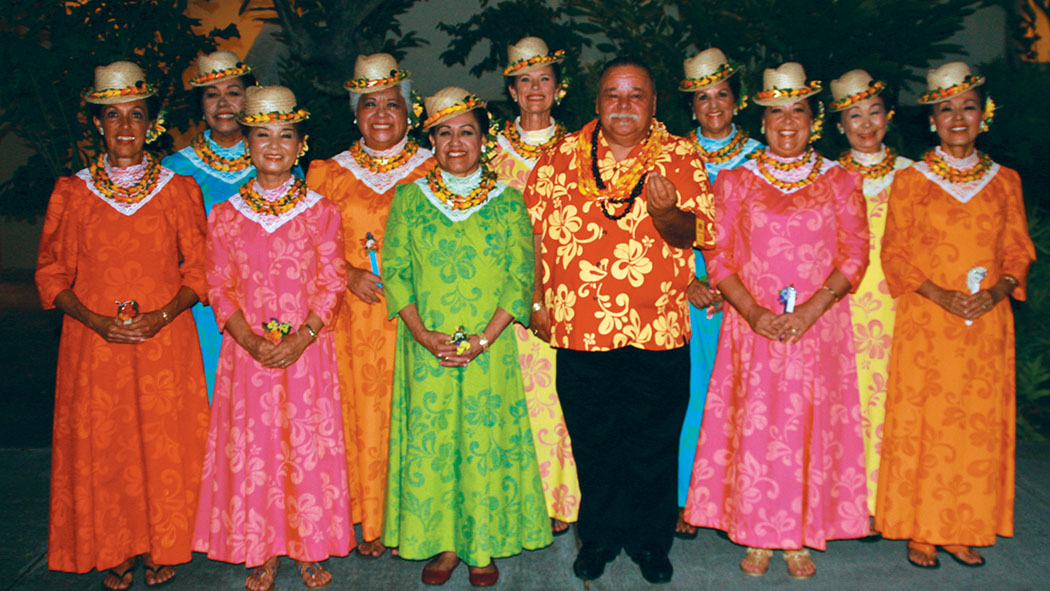
Dressing for a Holokū Ball
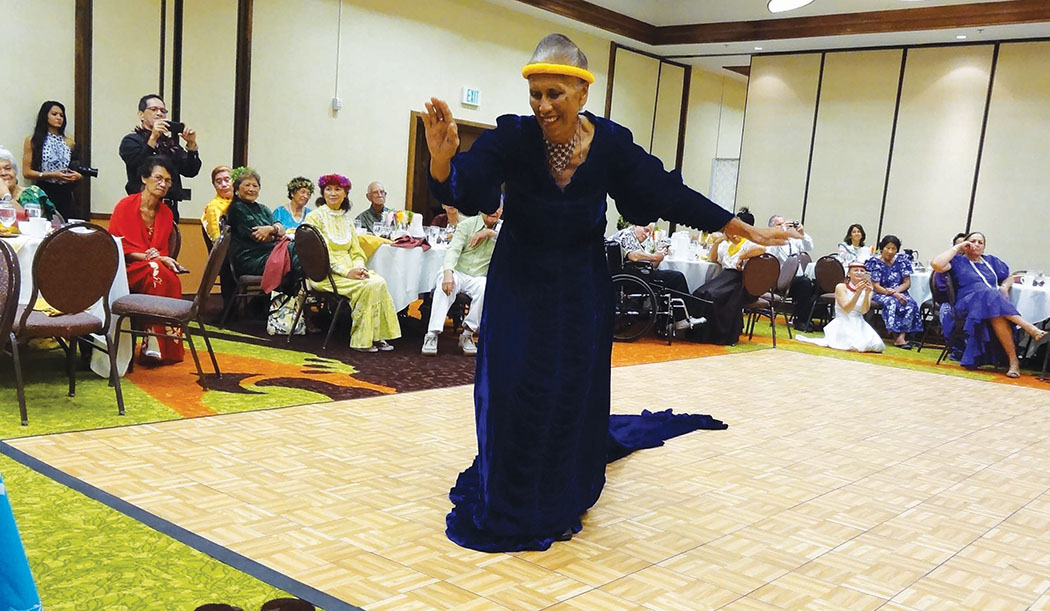
By Leilehua Yuen The first three rules my Nana, my paternal grandmother, drummed into my head about looking good in a holokū were: Posture Posture Posture They are still valuable rules today. Perfect posture and a sense of panache enable…
The Holokū
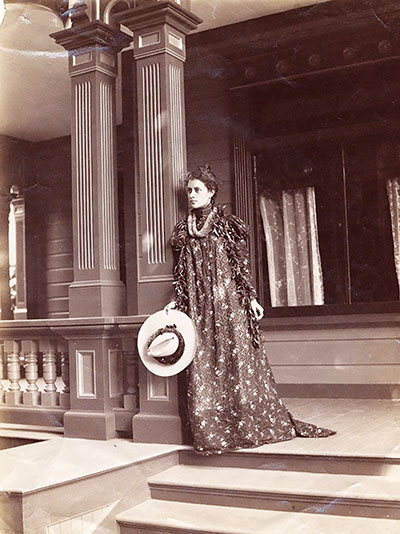
By Leilehua Yuen I remember as a girl longing for the day I would be deemed “a young lady,” mature enough to be allowed the privilege of wearing high heels, makeup, and that most elegant dress, the holokū. In our…
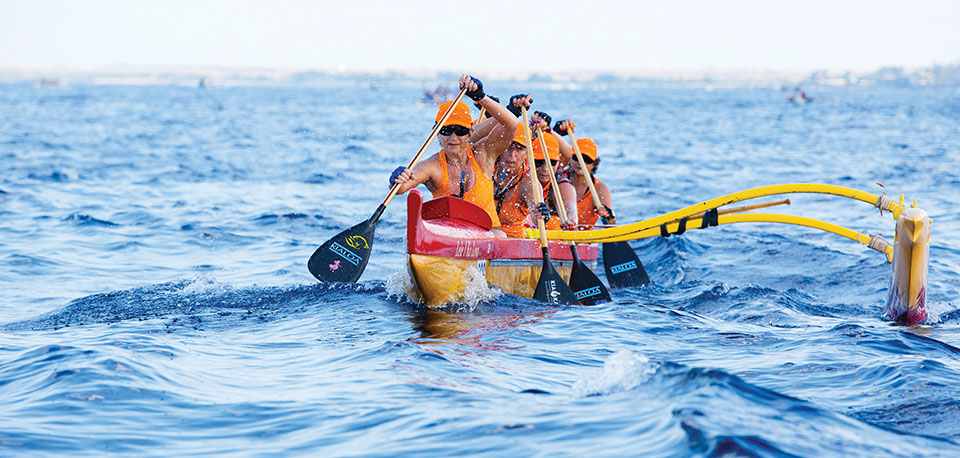
Wa‘a Hoena: Outrigger Canoe Paddling–Bonding through Lōkahi (Unity) and Mo‘olelo (Tradition)
By Alan D. McNarie Septuagenarian (in his seventies) Rafael Ramirez still vividly remembers the first time he set a paddle in the water. “I paddled out and saw the reef and saw the fish, and I paddled back and said,…
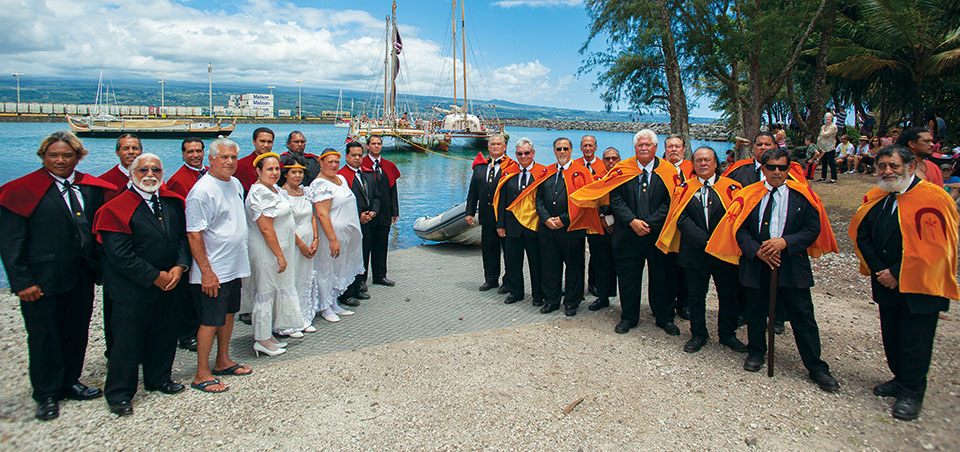
Royal Order of Kamehameha I: Moku O Keawe
By Russell Paio and Peter T. Young Editor’s Note: In respect for Moku O Kona, this story will not include the diacritics of the modern Hawaiian language, with the exception of the name of the Hawaii Island–East side, Hilo area…
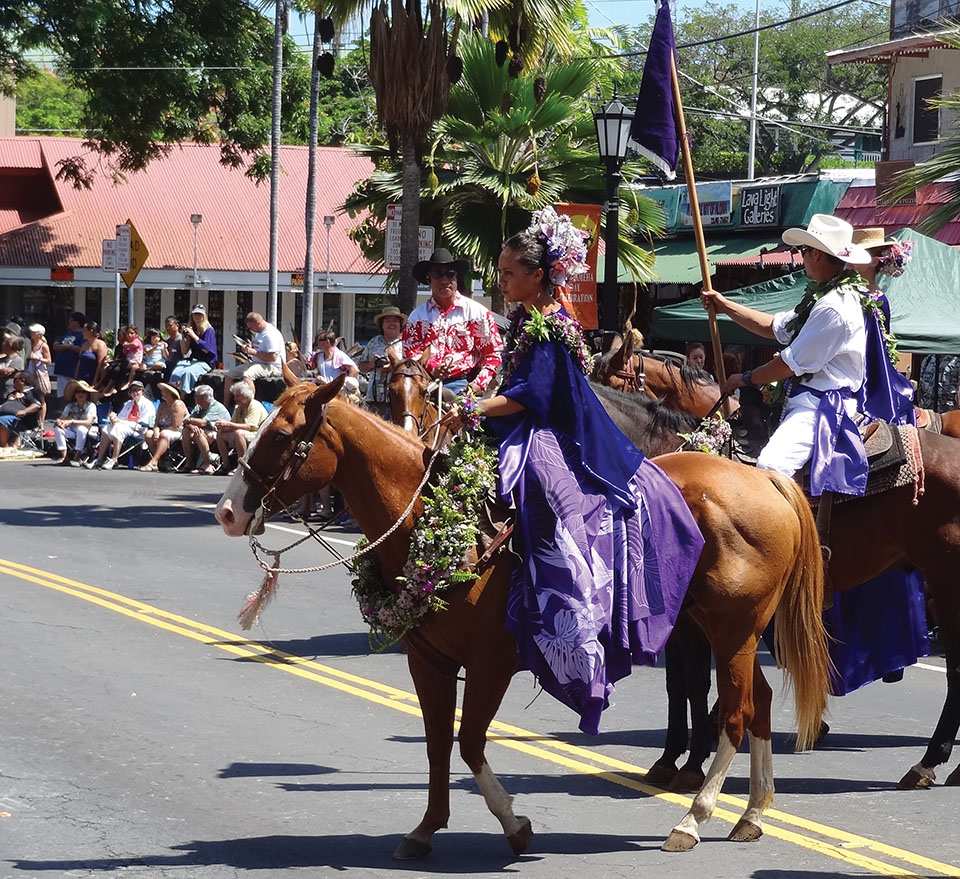
Wahine Holo Lio (Women Riding Horses)
By Denise Laitinen They are easily one of the most popular parts of any floral parade in Hawai‘i. Sitting regally atop their horses adorned in lei, shimmering colored fabrics draping them from head to toe, the graceful women wave to…
A Brief History of Queen Lili‘uokalani
By Peter T. Young She was born Lydia Lili‘u Loloku Walania Wewehi Kamaka‘eha to High Chiefess Anale‘a Keohokālole and High Chief Caesar Kaluaiku Kapa‘akea on September 2, 1838. At that time, children often were named in commemoration of an event.…
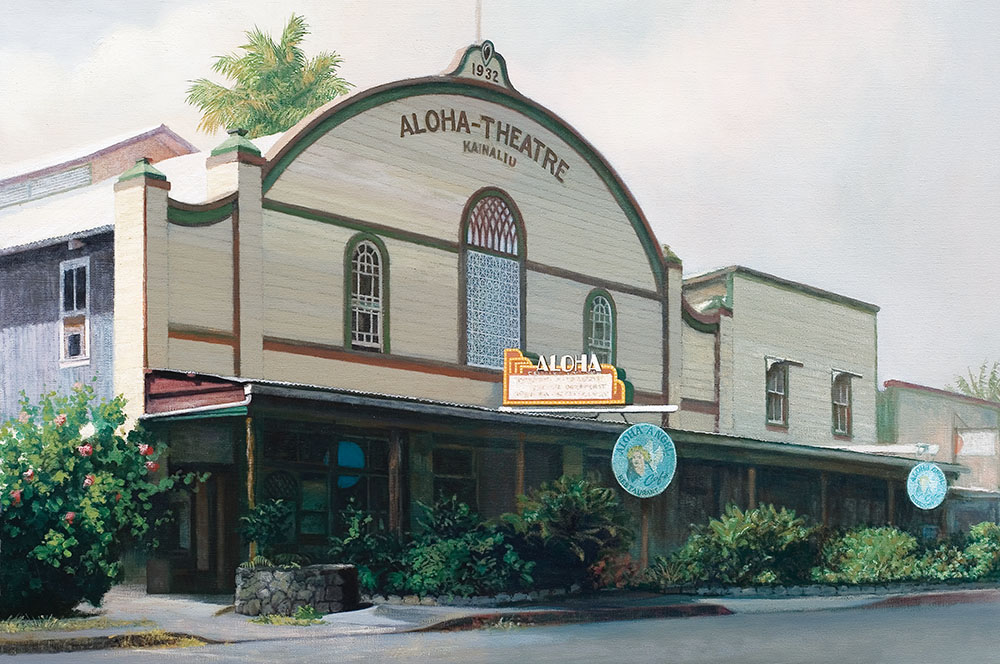
If Walls Could Talk: APAC’s Long History at the Aloha Theatre
By Le‘a Gleason Every town has its theater. That place where people go to escape the confines of reality, get lost in a performance, or lose themselves on stage. To become something or someone else—as if to try on masks—has…
Viewpoint: Ahu‘ena Heiau
Kahu Mikahala Roy Publishers Note: The following mele and story, copyrighted by Mikalaha Roy, are in response to a story we published in the March/April 2014 issue. It is our desire to be pono by sharing more details on the…
Managing with Aloha: Kākou
By Rosa Say Kākou: The value of inclusiveness and the language of we. The value of communication, for all of us. We are in this together. Learn to speak the language of we. Tenth in an ongoing series. ”All of…
Each Place has a Voice of its Own
By Ku‘ulei Keakealani Place names in Hawai‘i are important for many reasons. Above all, it is to honor this homeland, its native language, people, and heritage. Despite the nicknames that are regularly used in place of actual names, it is…
Kūpuna Talk Story: Clayton Bertelmann, 1946–2004
By Keith Nealy As a filmmaker and a storyteller I have been blessed with the gift of sharing the mana‘o of more than 60 of Hawai‘i’s most revered kūpuna in spirited conversation exploring the cultural legacy they carry in their…
Signature of One’s Life: The Story of Ben Mahi Samson
By Gayle ‘Kaleilehua’ Greco A signature is an imprint, a sign of one’s self that signifies who we are. A signature comes in many forms, as common as a signed name to as subtle as a familiar color. What happens,…
What it’s Like to be Pā‘ū Queen
By Denise Laitinen It’s very humbling to be asked to be a pā‘ū queen,” says Anna Akaka, Pā‘ū Queen of the 2013 King Kamehameha Day Kona parade. Anna, the wife of Danny Akaka, Cultural Advisor for the Mauna Lani Bay…
World Wide Voyage: Wayfinding Around ‘Island’ Earth, Provisioning the Wa‘a
By Margaret Kearns E Lauhoe mai na wa‘a; i ke ka, i ka hoe, i ka hoe, i ke ka; pae aku i ka‘aina. Everybody paddle the canoes together; bail and paddle, paddle and bail, and the shore will be…
The Secrets of Generations: How Slack Key Guitar Grew Community and Culture
By Le‘a Gleason Anyone who’s grown up or even visited Hawai‘i will notice one thing: here in these islands, it is never silent. Instead, the air is filled with a rich array of sounds—from the din of wild roosters crowing…
Edwin Kayton: Advocate of Island Renaissance
By Margaret Kearns Ka’ū-based artist Edwin Kayton approaches his work in just the same way he lives his life: quietly with humility and respect for humanity, spirituality, culture, and nature. And it’s these very qualities that have endeared him to…
Ahu‘ena Heiau: “Malama i Ko Kākou Ho‘olina”—Preserving Our Past
By Fannie Narte “Ahu‘ena Heiau is probably the most significant historical site in the State of Hawai‘i because the things that happened there set the foundation for the Hawai‘i as we know it today.” Tom Hickcox, President and Director, Ahu‘ena…
E Ala o Mahi‘ai: The Way of the Farmer
By John J. Boyle Here at a crossroads of two cultures—one immediately challenged by serious food needs and another steeped in a culture of sustainability in exclusion—it is understood that the foods the first Polynesians brought with them on their…
Sounding the Pū: An Echo of the Past Resonates Today
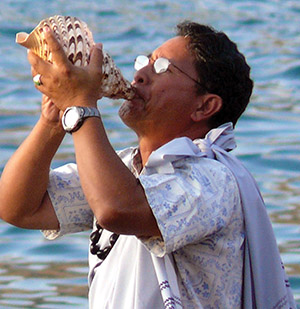
By Catherine Tarleton The tropically iconic conch shell trumpet, or pū, is often seen at the lips of malo-clad beach boys, sounding the start of sunset and tiki torch lighting time. The tradition of the pū is ancient, sending out…
Fishponds in Hawai‘i: A Small Scale Understanding
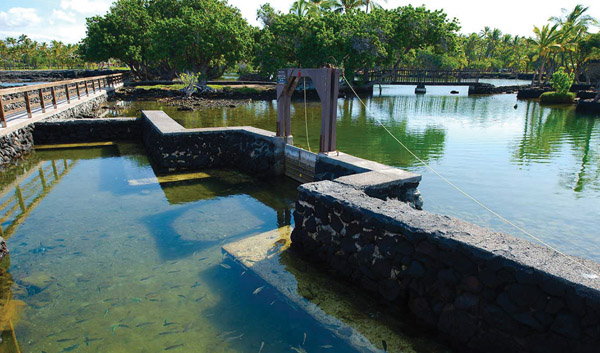
By Barbara Fahs Sustainability is a major buzzword today. Growing food, harvesting power from the sun, buying locally produced products to rely less on foreign imports at the supermarket are values and practices that many Americans understand clearly today. Wherever…
The Love Story of Harp and Soul: Manuel and Bernice Roberto
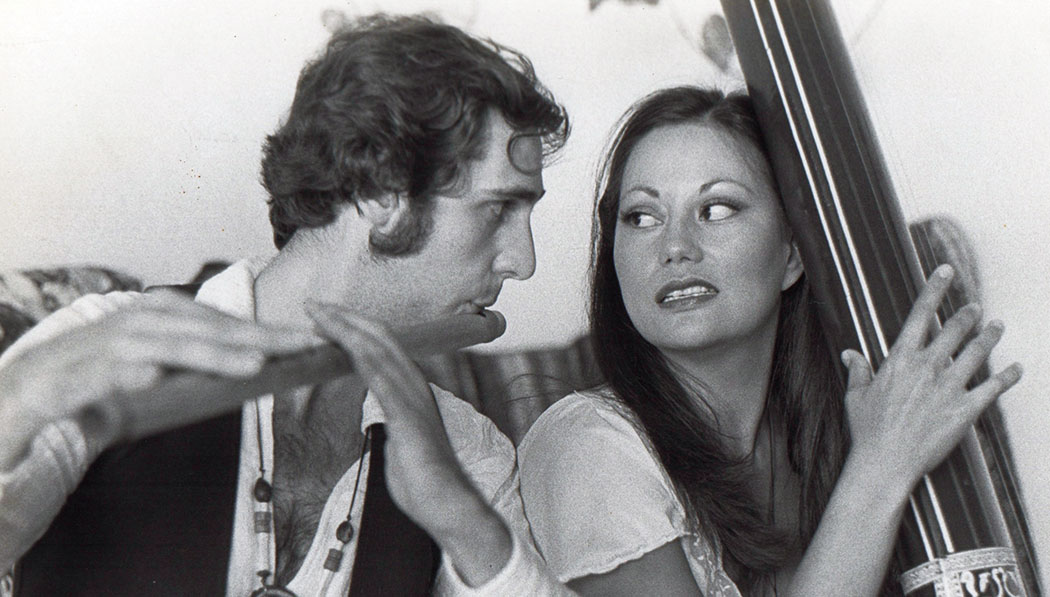
By Gayle “Kaleilehua” Greco The strum of the harp mixed melodically with the sound of the flute leaves an echo lingering in the air. It weaves with the breeze, playing on heartstrings, as if one is sitting in heaven. Lost…
Lights! Camera! Ocean! Waimea Ocean Film Festival
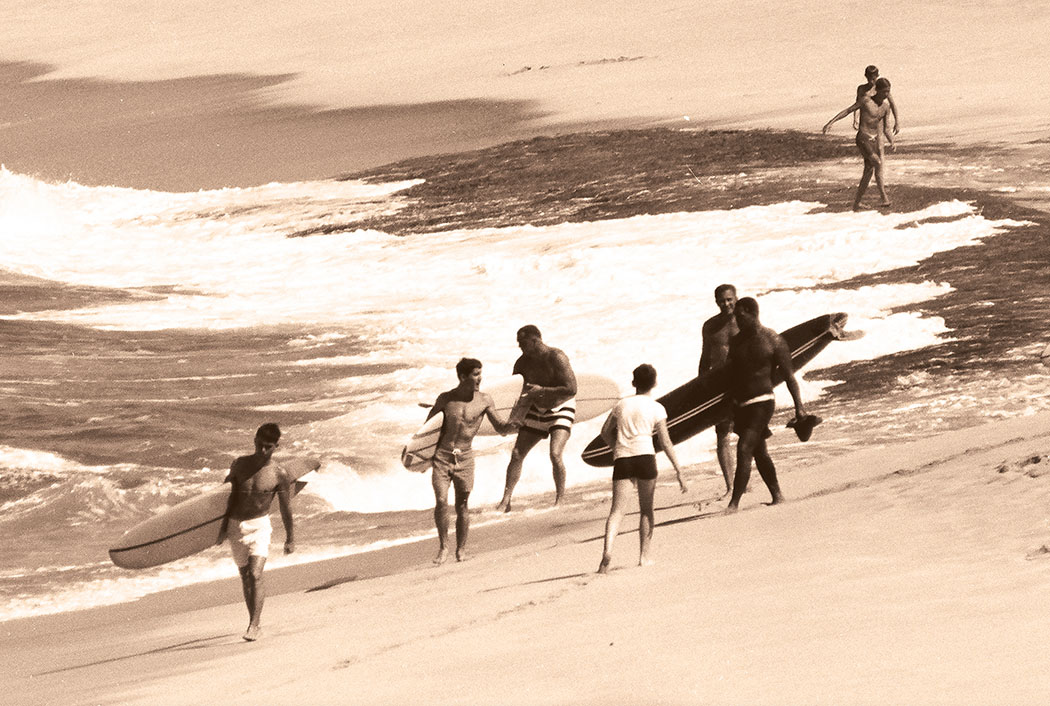
By John J. Boyle As the Waimea Ocean Film Festival lines up for the next set, the fourth year bodes to follow the swell of the previous three, growing in size and direction. With more venues, films, and jaw dropping…
Ka Wehena: Alo ke alo
Na Kumu Keala Ching Maka i luna, kuli i lalo Alo ka lani, lani ke alo Nani ke alo, alo ke ‘ike Alo ke alo, pili ke alohaMaka i mua, I mua ke ‘ala Alo nā puna, ola ke ola…
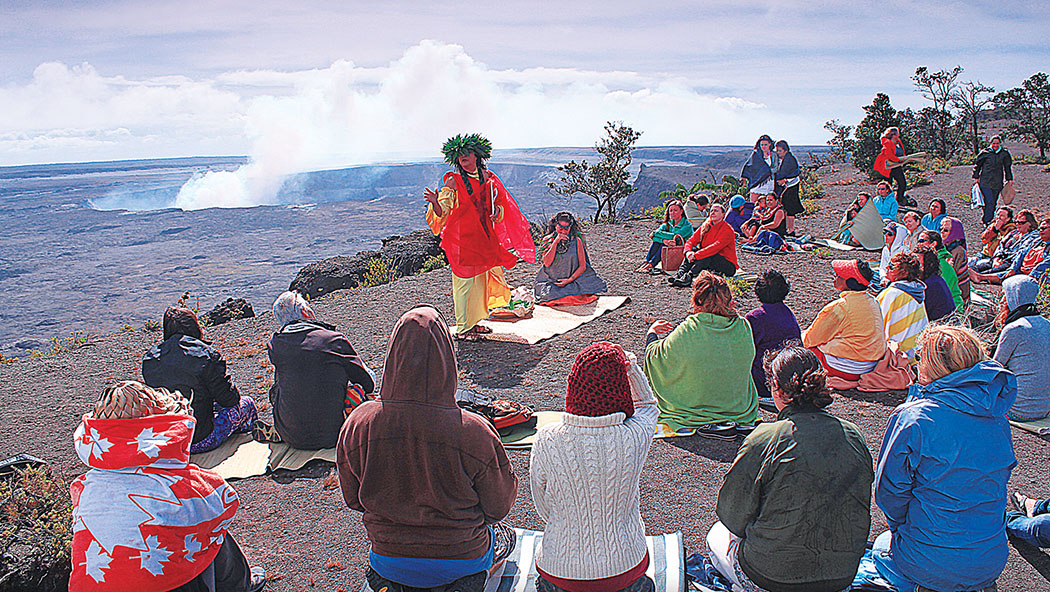
Speaking the Language of Love: A Conversation with Kahuna Kalei‘iliahi
By Cynthia Sweeney Our kāhuna, or our indigenous elders are our spiritual and physical connection with where we came from, why we are here, and where we are going. Kāhuna have optimism about our spiritual evolution on this planet and…
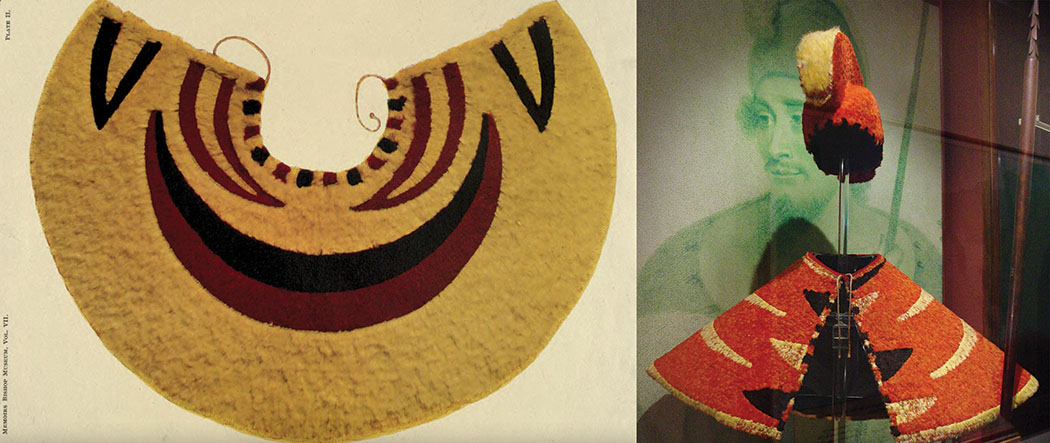
Feather Art: Yesterday, Today, and Tomorrow
By Barbara Fahs Na lima mili hulu no‘eau is a Hawaiian expression that means “the skilled hands that touch the feathers.” It honors the ancient art of feather lei, capes, headdresses, and other ornaments. In today’s world, it can easily…
The Journey of Hula Competition: The Experience of One Haumana
By Gayle ‘Kaleilehua’ Greco When you are asked to be in a hula festival, contest, or competition, the journey for oneself starts at that moment. Inevitably, it is really not about the contest at all; it is about the passage…
Kumu Hula Etua Lopes, E Ola E Ola Mau
By Gayle ‘Kaleilehua’ Greco When the moments in between chicken skin are filled with laughter or tears, you know you are in the presence of the great storyteller, Kumu Hula Etua Lopes. Born on August 29, 1953 in Damien Track…
Then & Now: Hilo Sugar Mill/Wainaku Center
By Denise Laitinen Situated on the sea cliffs just north of Hilo and tucked behind old concrete walls is the former Hilo Sugar Mill, which in its heyday processed 1,400 tons of sugar a day. Now, surrounded by tropical flowers…